Pay-As-You-Go International Calls: When You Don't Need a Subscription
If you call abroad a few times a month, a subscription is usually money spent on minutes you never use. Here is a quick way to check, and what to watch for in prepaid.
On this page (5 sections)
If you make international calls a few times a month rather than every day, prepaid credit with no subscription is usually cheaper than a calling plan, because you only pay for the minutes you actually use. The quick test: divide the plan's monthly price by the prepaid per-minute rate to the same country. If you use fewer minutes than that each month, prepaid wins. The rest of this guide shows how to run that test properly and which hidden costs can quietly change the answer.
Plans vs prepaid: the break-even question
Calling plans and add-ons are built around a fixed monthly fee that includes a block of minutes (or "unlimited" minutes to a list of countries). Prepaid charges a rate per minute with nothing to pay in months you don't call.
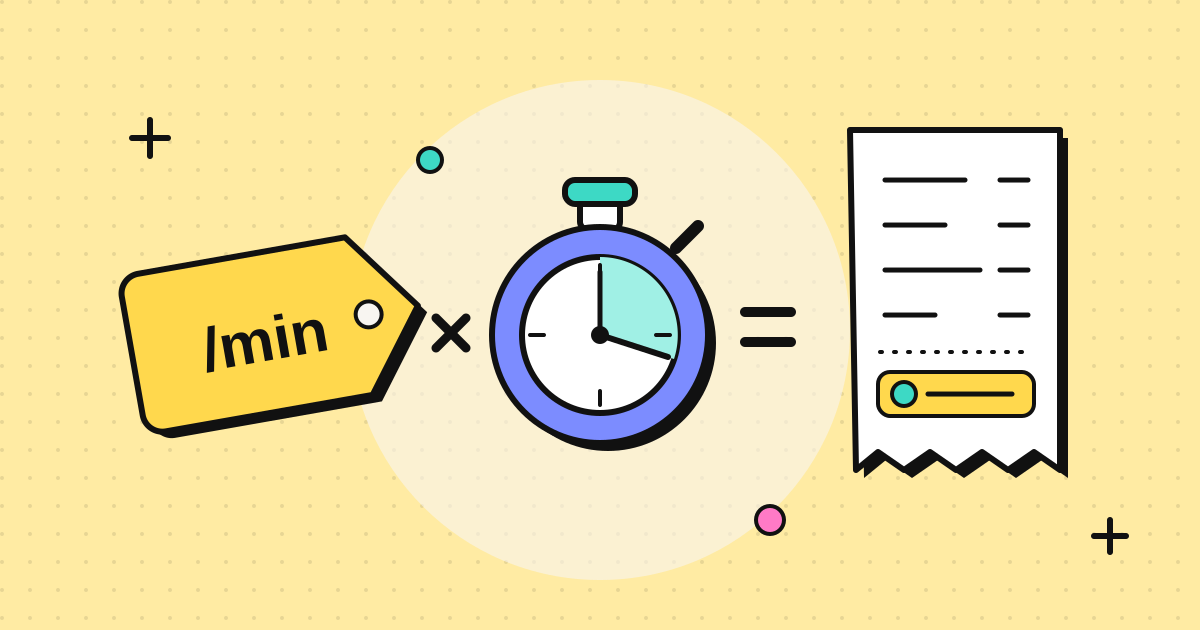
The break-even point is:
Break-even minutes per month = plan's monthly fee ÷ prepaid rate per minute
An illustration with round numbers (not real rates for any country):
| Value | |
|---|---|
| Plan or add-on fee | $10 per month |
| Prepaid rate to the same destination | $0.05 per minute |
| Break-even | 10 ÷ 0.05 = 200 minutes a month |
If you talk for less than 200 minutes a month to that country, the plan costs more than prepaid. That's more than six and a half minutes every single day. Many people who call family weekly, or ring a bank or clinic now and then, use a fraction of that.
Three adjustments make the test more honest:
- Use your quiet months, not your busiest. If you call a lot in December and very little in March, average across the year. A plan charges you in March too.
- Check what the plan actually covers. Many plans include landlines but not mobiles in some countries, or include a list of countries that misses the one you need. Minutes that don't apply to your calls are worth zero.
- Count the minutes you'd move to free apps anyway. If most of your calls are WhatsApp or Messenger, and you only pay for calls when the other side has no data, the paid minutes are what matter.
To run it with real numbers, look up the current per-minute rate to your country on the rates page. Rates change as wholesale prices move, which is why we don't put them in articles.
Hidden costs: expiry, connection fees and rounding
The per-minute rate is the headline. These are the details that decide what you actually pay. The FCC's guide to prepaid phone cards lists most of them, and they apply just as much to apps and online calling credit.
Credit expiry
The biggest one for occasional callers. If credit expires after 90 or 180 days without use, a $20 top-up you use twice costs $20, not the value of the minutes you made. Read the terms for "inactivity", "validity" or "expiry".
Former Skype users have a related problem: Microsoft ended automatic top-ups on April 3, 2025, retired Skype that May, and left remaining paid users with a dial pad in Teams Free for spending leftover credit.
Connection, hang-up and maintenance fees
A connection fee is a fixed charge added to every call. It matters most for short calls: a 1-minute call to a clinic with a per-call fee can cost several times the per-minute rate. Calling cards have historically added hang-up fees, weekly maintenance fees and destination surcharges in small print.
Billing increments
How the seconds are counted makes a real difference:
| Increment | A 2 min 10 s call is billed as |
|---|---|
| Per second | 2 min 10 s |
| Per started minute | 3 minutes |
| Per 3 minutes (some calling cards) | 3 minutes |
| Per 3 minutes, with a 3-minute minimum | 3 minutes, and a 20-second call is also 3 |
Per-minute billing is common and easy to understand. Larger increments and minimum charges are where short calls get expensive.
Mobile vs landline pricing
Many countries have different rates for mobiles and landlines. A plan or card that advertises a landline rate may charge much more for mobiles. Check the rate for the number type you actually call.
Not seeing the price until afterwards
If you can't see the rate before you dial, you can't decide whether a call is worth making on that route. Look for services that show the price up front.
How prepaid international calling works on a browser phone
EzyRing is a prepaid browser phone, so here is exactly how it handles each point above:
- No subscription. You top up when you choose to.
- Credit doesn't expire. A $5 top-up in January is still there in July.
- No connection fee. You pay the per-minute rate, billed per started minute. Calls that aren't answered aren't charged.
- Rate before you dial. The dialer shows the per-minute price for the number you've typed, and the running cost while you talk.
- No surprise debt. A call ends before your credit runs out.
- Payments through Stripe Checkout. Card details go to Stripe, not to us.
You call from a browser on a laptop or phone, and the person you're calling gets a normal phone call on their mobile or landline. You can also verify a number you own and use it as caller ID, so people recognise you; how it displays depends on the receiving carrier. How it works walks through a call step by step.
It's not the right fit for everyone. If you talk for hours every day to one country and a plan genuinely covers those calls, the plan may be cheaper. And EzyRing is for outgoing calls only; it doesn't give you a number to receive calls on.
Picking a top-up size
A simple way to choose:
- Estimate your paid minutes per month (not app calls).
- Multiply by the per-minute rate to your main destination from the rates page.
- Top up roughly two to three months of that, rounded to a pack.
Packs are $5, $20 and $50, with custom amounts available; larger packs include a little extra credit, shown on the pricing page. New accounts can buy up to $20 at a time for their first 7 days, which is a sensible amount to start with anyway: enough to learn your real usage, and because it doesn't expire, nothing is lost if you call less than you expected.
If you'd like more detail on how per-minute pricing is set and what makes one country cost more than another, see call rates explained.
Next step
Work out your break-even number with the current rate to the country you call most on the rates page. If prepaid comes out ahead, create an account and start with $5. It stays in your account until you use it.
Frequently asked questions
Is pay-as-you-go cheaper than an international calling plan?
It is if you use fewer minutes than the break-even point: the plan's monthly fee divided by the prepaid per-minute rate to the same destination. Below that number of minutes, prepaid costs less. Above it, the plan may win, as long as its minutes cover the countries and line types you call.
Does EzyRing credit expire?
No. Credit stays in your account until you use it. There is no subscription and no monthly fee.
Are there connection fees on EzyRing?
No. You pay the per-minute rate shown before you dial. Calls are billed per started minute, and calls that aren't answered aren't charged.
What is the smallest top-up?
$5. Packs are $5, $20 and $50, and custom amounts are possible. New accounts are limited to $20 per purchase for their first 7 days.
What hidden costs should I check on any prepaid calling service?
Credit expiry, connection or hang-up fees, maintenance fees, billing increments (per minute vs per several minutes), different prices for mobiles and landlines, and whether you can see the rate before you dial.
Written by
EzyRing Team
The team that builds EzyRing, a browser phone for calling landlines and mobiles abroad, made in Madrid.
Ready to make the call?
Sign-up is free. You only pay for the minutes you use.
Prepaid, no subscription
Top up from $5. Credit doesn't expire, and nothing renews.
Rate shown before you call
You see the per-minute price before dialling and the running cost during the call.
Caller ID from a number you verify
Verify a number you own once; calls go out with it. Display depends on the recipient's carrier.
Calls aren't recorded. EzyRing is not for emergency calls.