Calling Family Back Home: An Expat's Practical Guide
Most families abroad end up with a mix of WhatsApp calls and normal phone calls. How to build a calling routine across time zones, reach relatives who won't use apps, and keep the cost predictable.
On this page (6 sections)
The most reliable way to call family back home is a mix: free app calls (WhatsApp, FaceTime) for the relatives who answer them, and normal phone calls for the ones who don't, such as parents on a landline, grandparents with a basic phone, or anyone in an area with weak data. Add a fixed calling time that works across both time zones and a number your family recognises, and calls stop being missed.
This guide is about the practical side of staying in touch: why some calls fail, how to plan around time zones and clock changes, how to keep paid calls cheap and predictable, and how to make sure the phone actually gets picked up.
Why app calls fail when you call family back home
If everyone in your family answers WhatsApp video calls, you may not need this guide. But most expat households have at least one person for whom app calls don't work:
- Older parents who never got used to answering a call inside an app, or who keep their smartphone on silent and only hear the landline.
- Relatives with basic phones. No apps at all.
- A landline at the family home, which is where everyone gathers on Sunday.
- Poor data at the other end. In plenty of towns and villages, the voice network is more dependable than mobile data, and an app call keeps freezing while a normal call would be fine.
- Shared phones. A grandmother who uses a cousin's phone when she visits doesn't have her own WhatsApp.
For these people, a normal phone call is not old-fashioned. It's the only thing that works reliably. If an elderly parent is the main reason you're reading this, our guide on calling elderly parents without a smartphone goes into more detail.
Building a calling routine across time zones
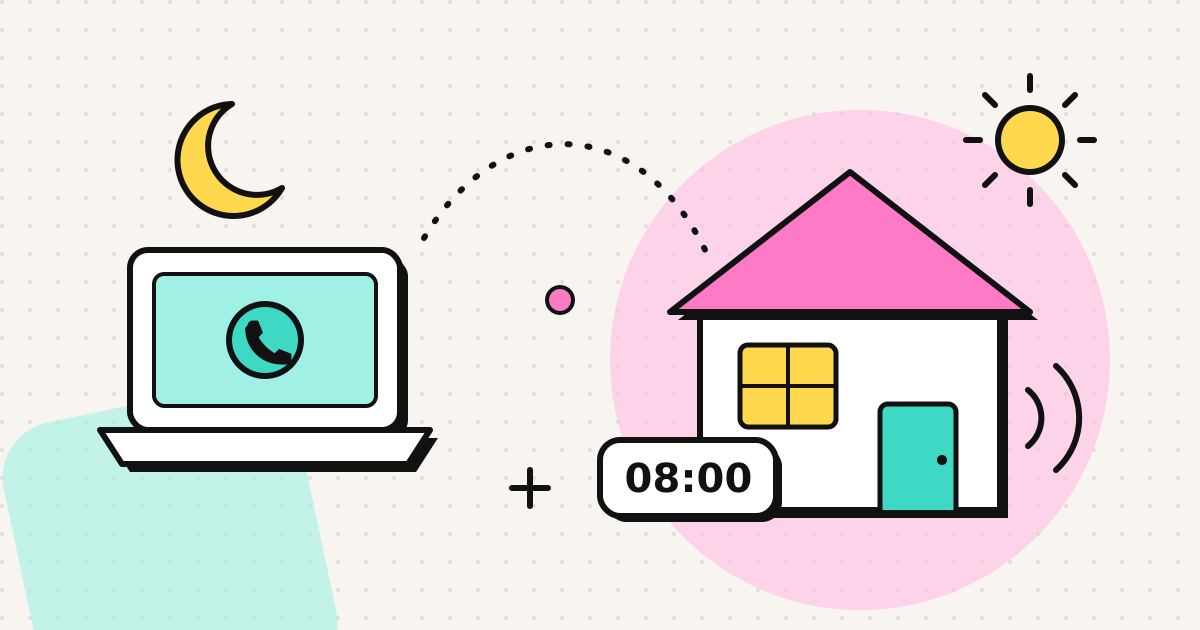
The calls that happen are the ones that are scheduled. "I'll call when I can" turns into two weeks of missed calls between work, school runs and a time difference.
Find the overlap
Write down when each side is free and awake, then convert. A few examples using 2026 winter time:
| You live in | Family in | Difference | A time that often works |
|---|---|---|---|
| London | Lahore | Pakistan 5h ahead | 3 pm London = 8 pm Lahore (weekends) |
| New York | Mumbai | India 10h 30m ahead | 8 am New York = 6:30 pm Mumbai |
| Madrid | Manila | Philippines 7h ahead | 1 pm Madrid = 8 pm Manila |
| Dubai | Dhaka | Bangladesh 2h ahead | 7 pm Dubai = 9 pm Dhaka |
Watch the clock changes
This is where routines break. The UK and EU change clocks on different dates from the US, and many countries don't change at all. India and Pakistan stay on the same time all year (IST, PKT), so the gap moves when your clocks move.
In 2026:
- 25 October: UK and EU clocks went back one hour. From London, Pakistan went from 4 to 5 hours ahead.
- 1 November: US clocks go back one hour. From New York, India goes from 9h 30m to 10h 30m ahead.
- For the week in between, the gap between London and New York is 4 hours instead of the usual 5, which catches out families split across three countries.
A simple fix: create a recurring calendar event and invite everyone. Calendar apps show it in each person's local time and adjust for clock changes automatically.
Keep it light
A routine call doesn't need to be long. A short call every week is easier to keep up during busy periods than a long one once a month, and nobody has to save up news for an hour.
Mixing free app calls with normal calls
A setup that works for many families:
| Who | How |
|---|---|
| Siblings, cousins, friends with smartphones | WhatsApp or FaceTime, video when you can |
| Parents who answer app calls on good days | App call first; if it drops or isn't answered, call their mobile or landline |
| Grandparents, landlines, basic phones | Normal phone call every time |
| Family doctor, school, bank, government offices | Normal phone call (they expect it, and you may need the keypad for menus) |
The point isn't to avoid paying altogether. It's to pay only for the calls that need a phone line.
Keeping costs predictable with prepaid credit
There are three ways to pay for calls to phones abroad, and they suit different families:
- Your mobile carrier's international rate. Easy, but usually the most expensive option unless you've added an international bundle. Wi-Fi calling doesn't change it: AT&T, for example, bills Wi-Fi calls by the number you dial, so a call to another country is still international.
- A monthly bundle for one country. Good value if you call the same country every day.
- Prepaid, pay-per-minute credit. Good if your calls come in bursts: weekends, festivals, exam results, a parent in hospital.
Prepaid has a quieter advantage: it caps what you can spend. With EzyRing, you see the per-minute rate before you dial, the running cost during the call, and the call ends before your credit runs out, so an hour-long chat with your mother can't become a surprise bill. There's no subscription, credit doesn't expire, and packs start at $5. Rates differ by country and by landline or mobile, so check the rate for your family's country before you decide.
Making calls recognisable so they get answered
Many people, especially older people who have been targeted by phone scams, don't answer numbers they don't know. If your call shows up as "Unknown" or a random foreign number, it may simply be ignored.
What helps:
- Call from a number they have saved. Ideally your own mobile number, saved in their phone under your name.
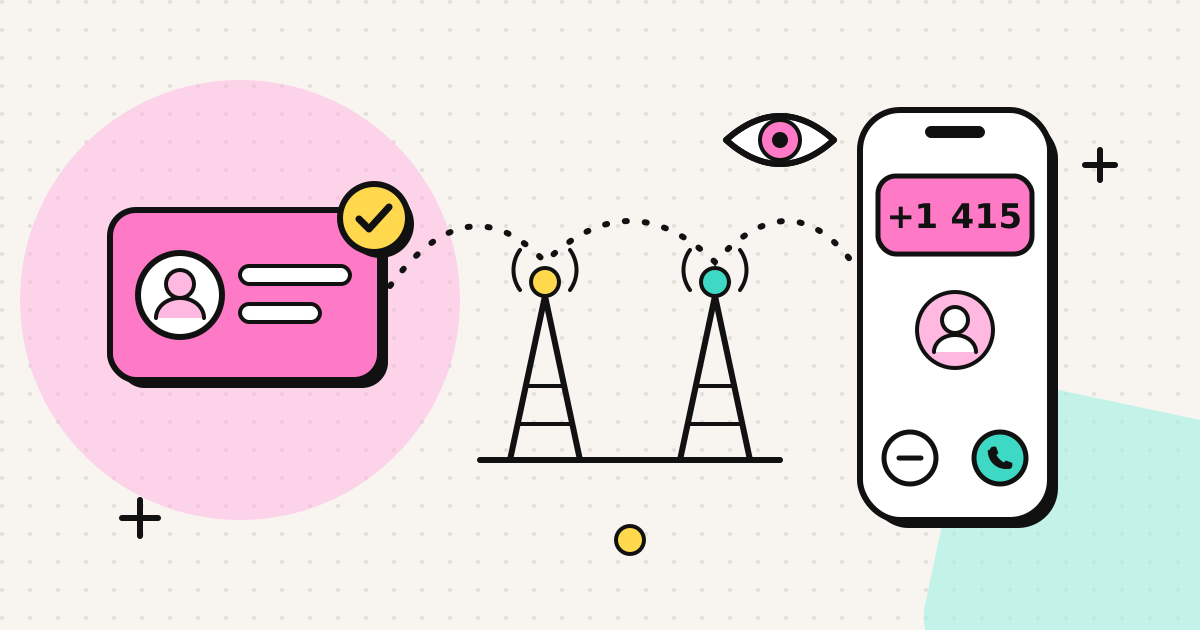
- Use verified caller ID if you call from a computer. With verified caller ID, you prove once that you own your mobile number (the service calls it and you key in a code), and calls from your browser go out showing it. Your parents see your name, and if they call back it rings your phone. Display depends on their carrier: calls between different countries usually show the number, while some countries hide a same-country number arriving from abroad.
- Tell them when you'll call. A message the day before, or a fixed weekly slot, means the phone gets answered.
- Keep the same number. Changing calling apps every few months means a new unknown number each time.
A setup you can put in place this weekend
- Agree one regular call time with each household and put it in a shared calendar.
- Save every family number in
+international format so you can dial from any device. - Use app calls where they work, and a normal call where they don't.
- Add a small amount of prepaid credit for landlines and basic phones. You can create an account, verify your number, and test with a $5 top-up. The use cases page has more examples of who this suits.
Frequently asked questions
What is the cheapest way to call family abroad?
App calls such as WhatsApp or FaceTime are the cheapest when both sides have a smartphone and a decent connection. For relatives on landlines or basic phones, or with poor data, a prepaid per-minute internet call is usually much cheaper than a mobile carrier's standard international rate.
Why won't my parents answer my international calls?
Often because the call shows an unfamiliar or 'Unknown' number, and many people have learned not to answer those. Calling from a number they have saved, and agreeing a regular call time, usually fixes it.
How do I handle time zone changes when calling home?
Check whether either country changes its clocks. In 2026, the UK and EU went back an hour on 25 October and the US on 1 November, while countries such as India, Pakistan, Bangladesh, the Philippines and Nigeria don't change clocks. A shared calendar event in each person's local time avoids mistakes.
Can I call my parents' landline from my laptop?
Yes. A browser phone connects your laptop to the phone network, so the landline rings like any other call. Your parents don't need an app, a smartphone or an internet connection.
Is a monthly calling plan or prepaid credit better for calling family?
If you call one country every day for long periods, a monthly plan can work out cheaper. If your calls come in bursts, such as weekends, festivals or when someone is ill, prepaid credit that doesn't expire avoids paying for unused minutes.
Written by
EzyRing Team
The team that builds EzyRing, a browser phone for calling landlines and mobiles abroad, made in Madrid.
Ready to make the call?
Sign-up is free. You only pay for the minutes you use.
Prepaid, no subscription
Top up from $5. Credit doesn't expire, and nothing renews.
Rate shown before you call
You see the per-minute price before dialling and the running cost during the call.
Caller ID from a number you verify
Verify a number you own once; calls go out with it. Display depends on the recipient's carrier.
Calls aren't recorded. EzyRing is not for emergency calls.